

Written by the Elite Med Spa Team | Berwyn
Two treatments come up in almost every acne scar consultation we do at our med spa in Berwyn. One is a chemical peel. The other is a HydraFacial. People usually arrive having already picked one, and they want us to confirm the choice.
Here is the short answer. A chemical peel can improve acne scars. A HydraFacial cannot. A HydraFacial can make scarred skin look better, which is a different thing, and for some people it is enough.
The longer answer matters more, because most people who come in asking about acne scars do not actually have acne scars. They have something that looks like acne scars. What you have decides which treatment is right, and picking wrong costs you months.
First, figure out what is actually on your face
Run your fingers over the area in question. Then look at it in a mirror under a window, not a bathroom light.
If the skin feels smooth but looks marked, you do not have scars. You have color left behind after a breakout. There are two kinds.
Post inflammatory erythema is pink or red. It is a small, damaged blood vessel sitting under thin skin. It is more common on lighter skin tones.
Post inflammatory hyperpigmentation is brown, tan, or gray brown. It is extra melanin your skin made in response to the inflammation of the breakout. It is far more common on medium and deep skin tones, which is why so many of our Berwyn and Cicero patients come in describing brown marks as scars.
Both of these are flat. Both of these fade. Both respond to treatments that work at or near the surface of the skin.
If the skin feels uneven, dimpled, or pitted, you have a true atrophic scar. Your body lost collagen during healing and the surface caved in. Dermatologists sort these into three shapes.
Ice pick scars are narrow and deep, like a pinprick that goes straight down.
Boxcar scars are wider with sharp, flat sides, like a small crater.
Rolling scars are broad and shallow with soft edges, and they are tethered to tissue underneath, which gives the skin a wavy look in side lighting.
Most people have a mix. That mix is the whole reason there is no single treatment that fixes acne scarring.
If the skin is raised, you have a hypertrophic or keloid scar. That is a different problem again, and neither a peel nor a HydraFacial is the answer.
Now you can actually compare the two treatments.
What a chemical peel does
A peeling químico puts a controlled acid solution on your skin. The acid breaks the bonds holding dead surface cells together and, at higher strengths, causes injury deep enough that your skin rebuilds the tissue underneath as it heals.
Depth is the entire story with peels. Peels are classified by how far into the skin they reach.
A superficial peel works in the outer layers, roughly from the surface down to the base of the epidermis. Glycolic acid, salicylic acid, lactic acid, and mandelic acid peels usually live here. These are the peels used for texture irregularities, dullness, active acne, and pigment.
A medium depth peel reaches through the full epidermis and into the papillary dermis. This is where trichloroacetic acid, usually called TCA, is used at moderate concentrations. Medium peels are the level where shallow atrophic scars start to genuinely improve.
Deeper techniques exist. The best known for scars is called CROSS, short for chemical reconstruction of skin scars, where a very high concentration of TCA is applied to the base of a single scar with a toothpick sized applicator rather than across the whole face. Reviews of the technique put it at the top of the list for deep ice pick scars specifically, followed by boxcar scars, then rolling scars. It is a focal dermatology procedure with real risk attached, not a spa facial, and it is not something anyone should book casually.
So when someone asks if a chemical peel helps acne scars, the honest reply is a question back: which peel, at what strength, for which scar?
What the research actually shows
Peels for acne scarring have a real evidence base, and it has grown quickly. A 2025 scoping review pulled together 34 studies published between 2002 and 2025 on TCA based treatment of atrophic acne scars. In that body of work, superficial concentrations were used mainly for texture, medium concentrations for shallow atrophic lesions, and the high concentration CROSS technique for deep ice pick and boxcar scars.
Glycolic acid, the most common peel in med spas, sits in a well documented middle ground. Reviews consistently describe it as effective for skin texture, hyperpigmentation, mild sun damage, and acne, and less effective for deep wrinkles or deep scars, though improvement in acne scarring has been reported at 70 percent concentration.
Head to head, stronger wins on results and loses on comfort. A 2024 comparative study of 60 patients tested 50 percent glycolic acid against 65 percent TCA using the CROSS technique for atrophic acne scars. TCA produced the better improvement. It also produced more side effects. The researchers concluded glycolic acid was a safer alternative with acceptable results.
That trade off shows up everywhere in the peel literature. More depth, more remodeling, more risk, more downtime. There is no version where you get the result without the trade.
Salicylic acid deserves its own mention because it is not really a scar treatment at all. It is an oil soluble acid that gets into the pore, which makes it the strongest choice when you still have active breakouts alongside your marks. And that is the correct order of operations. Treating scars while acne is still active means you are repairing a house while someone is still knocking holes in the walls.
What a HydraFacial does
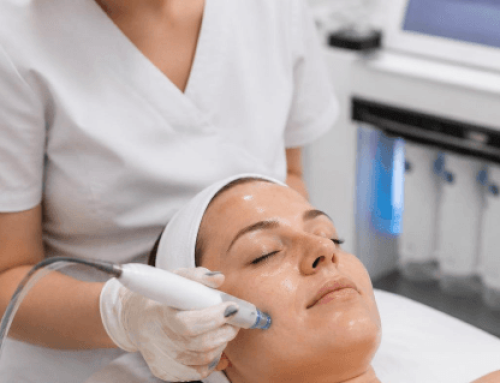
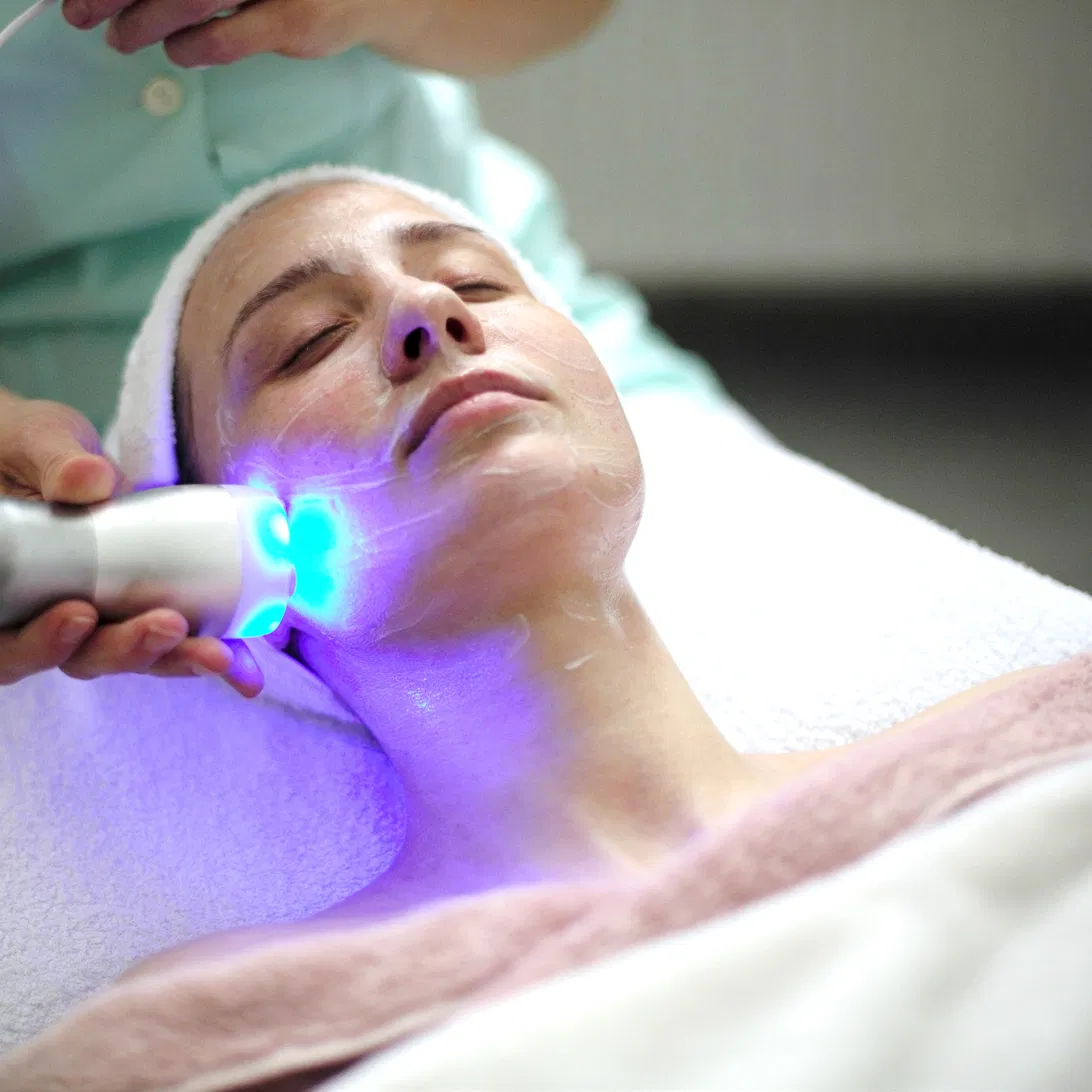
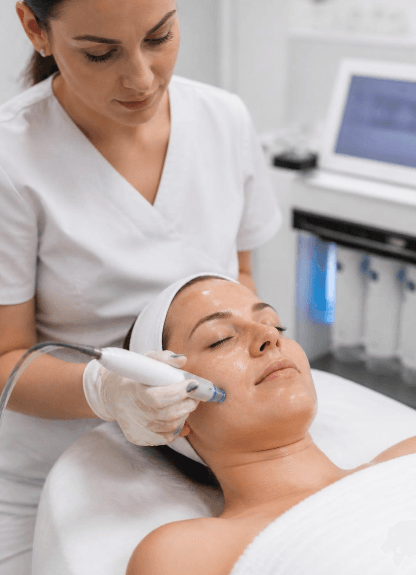
A HydraFacial MD is a hydradermabrasion treatment. A handpiece uses vortex suction to do three things in sequence: cleanse and lightly exfoliate with a mild acid blend, extract debris out of pores with suction, then push hydrating and antioxidant serums onto the skin.
Every part of that happens at the surface. The acid blend used in a HydraFacial is mild by design. The suction lifts debris out of pores, it does not remodel collagen underneath them. The serums sit on and just inside the outermost layer.
This is not a criticism. It is the point of the treatment. A HydraFacial is popular because it is comfortable, takes about thirty minutes, has zero downtime, and leaves skin visibly cleaner and brighter the same day. Nothing else on a med spa menu does that.
What it will not do is raise the floor of a depressed scar. Filling in an atrophic scar requires new collagen in the dermis. Reaching the dermis requires needles, radiofrequency, laser, or acid at a strength that causes real injury. A HydraFacial deliberately does none of those.
This is worth stating plainly because a lot of marketing blurs it. Broader reviews of non energy based scar treatments note that microdermabrasion style treatments have thin evidence for scarring, and the reason given is exactly this: limited depth of penetration.
Where a HydraFacial genuinely helps scarred skin:
It clears out congestion, so you stop making new lesions that become new marks.
It lifts dull surface buildup, so light reflects more evenly and shallow texture reads as less obvious.
It hydrates, and plump, well hydrated skin makes shallow indents less visible than dry, tight skin does.
It is safe on every skin tone and has no downtime, so it fits before an event.
That is a real list. It is just not a scar treatment list.
Side by side
| Chemical peel | HydraFacial | |
|---|---|---|
| How deep it works | Surface to papillary dermis, depending on strength | Surface only |
| Builds new collagen | Yes, at medium depth and above | No |
| Improves indented scars | Mild to moderate improvement for shallow scars | No |
| Improves brown marks and PIH | Yes, this is a core strength | Modest, gradual |
| Improves active acne | Yes, especially salicylic acid | Yes, through extraction |
| Falta del tiempo | None to about a week, depending on depth | Ninguno |
| Comodidad | Stinging, heat, then flaking | Comfortable |
| Risk on deeper skin tones | Real, and depends entirely on acid choice | Very low |
| Sessions to see change | Usually a series of 3 to 6 | Ongoing maintenance |
| Best described as | A treatment | Mantenimiento |
Which one for which problem
Brown marks left by old breakouts, skin feels smooth. Chemical peel. This is the single best use of a peel and the one with the most predictable payoff. A HydraFacial series will help slowly. A peel series will help faster.
Red marks left by old breakouts, skin feels smooth. Neither is the first choice. Red comes from dilated vessels, and light based treatment such as Lumecca IPL targets vessels directly. A peel does little for redness and can briefly make it look worse.
Rough texture and enlarged pores, no real indents. Either works, and this is the one case where it is a genuine toss up. A peel gives a bigger change over a series. A HydraFacial gives a smaller change with no downtime and no flaking.
Shallow rolling or boxcar scars. Chemical peel, at medium depth, and expect softening rather than erasure. Better still, a peel paired with Microneedling con SkinPen. Several trials in the TCA review combined the two and found the combination outperformed either alone.
Deep ice pick scars. Neither. A standard peel does not reach the bottom of an ice pick scar, and a HydraFacial does not come close. These need focal treatment.
Active breakouts plus marks. Salicylic peel, and get the acne controlled first.
An event on Saturday. HydraFacial. Book it four to seven days out, not the day before. A DiamondGlow facial is the other no downtime option if you want a serum infusion targeted to your skin concern.
The part most articles skip: your skin tone changes the answer
Berwyn and the surrounding suburbs are heavily Hispanic, and a large share of our patients are Fitzpatrick IV and V. For melanin rich skin, the chemical peel conversation changes in an important way.
Melanocytes in deeper skin tones respond to inflammation by producing pigment. That means an aggressive treatment aimed at fixing dark marks can create new dark marks. This is not a theoretical risk. It is the single most common bad outcome from acne scar treatment on skin of color. To put the scale of it in context, the literature on ablative carbon dioxide laser resurfacing reports that a very high proportion of Fitzpatrick IV and above patients develop post inflammatory hyperpigmentation afterward. It is the main thing that limits use of the most powerful resurfacing tool available.
Peels carry a milder version of the same risk, and the risk tracks with depth. Dermatology guidance for skin of color generally favors salicylic acid as the safest superficial peel, with mandelic and lactic acid also well regarded because they penetrate slowly and provoke less inflammation. Caution is advised with higher strength TCA on darker skin, because the frosting that appears as the acid reaches peak effect signals a level of injury that raises the odds of pigment problems and scarring.
None of this means peels are off limits for deeper skin tones. It means acid selection, strength, priming the skin beforehand, and strict sun protection afterward stop being optional details and become the treatment. Even in published trials using conservative concentrations, a minority of patients developed temporary hyperpigmentation that then resolved. That is a manageable outcome when it is expected and planned for, and an upsetting one when nobody warned you.
This is also why we ask about your history at consultation rather than just looking at your skin. If a previous peel or laser anywhere else left you darker, we need to know before we choose anything.
The honest recommendation
For most people who walk in asking about acne scars, the answer is that neither a chemical peel nor a HydraFacial is the main treatment.
If you have flat marks and discoloration, a peel series is the right call and it will do a lot for you.
If you have true indented scars, the main treatment is microneedling, either on its own or with radiofrequency. Microneedling creates thousands of controlled micro injuries at a set depth and lets your own healing response lay down new collagen where collagen is missing. It works through mechanics and biology rather than heat or chemistry, which is why it is usable across all skin types. Lápiz de piel was the first microneedling device to earn FDA clearance, with an indication for improving the appearance of facial acne scars in adults aged 22 and older, based on a protocol of three treatments spaced about a month apart. Morfeo8 adds radiofrequency energy at the needle tips, which drives the remodeling deeper and adds tightening, and is the stronger option when scarring comes alongside laxity.
A peel and a HydraFacial still have roles in that plan. The peel clears the pigment that microneedling alone does not target. The HydraFacial keeps pores clear between sessions so new lesions do not undo your progress.
What a realistic six month plan looks like
Month one. Consultation and skin typing. Get active acne under control. Start daily sunscreen, because every treatment below works worse without it.
Months one through four. A series of microneedling sessions spaced about four weeks apart if you have indented scarring. Expect visible texture change starting around week four to six, with collagen remodeling continuing for months after the last session.
Months two through five. A peel series layered into the gaps, chosen for your skin tone, aimed at the remaining discoloration.
Throughout. HydraFacial every four to six weeks for maintenance and pore clearing, plus one booked seven days before anything you are getting photographed at. Session pricing for everything in this plan is on our full menu and prices page.
Month six. Reassess. Scars that were deep at the start may need a focal approach. Scars that were shallow are often close to done.
That timeline is slower than anyone wants. It is also the timeline that produces actual change, and we would rather tell you now than sell you a facial and let you find out in September that nothing moved.
Preguntas frecuentes
Can a HydraFacial get rid of acne scars?
No. A HydraFacial works at the surface of the skin and does not build the new collagen needed to raise a depressed scar. It can make scarred skin look smoother and brighter, and it helps fade surface discoloration slowly, but it does not treat indented scarring.
Is a chemical peel better than a HydraFacial for acne scars?
Yes, for most types of scarring. A chemical peel can reach deeper than a HydraFacial, and medium depth peels have published evidence for improving shallow atrophic scars and post acne discoloration. A HydraFacial has no meaningful effect on scar depth.
How many chemical peels do I need for acne scars?
Most peel protocols for acne scarring run three to six sessions spaced about four weeks apart. Discoloration usually responds sooner than texture. Your provider will set the number after seeing how your skin reacts to the first session.
Are chemical peels safe for brown and olive skin?
Yes, when the acid and strength are chosen for your skin. Salicylic, mandelic, and lactic acid peels are generally preferred for Fitzpatrick IV to VI skin because they cause less inflammation, which lowers the chance of post inflammatory hyperpigmentation. Aggressive or high strength peels carry more risk on deeper skin tones.
Can I get a chemical peel and a HydraFacial together?
Not on the same day. Both exfoliate, and stacking them overworks the skin barrier. Space them at least two weeks apart, and let your provider decide the order based on what is happening with your skin.
What is the fastest treatment for acne scars?
There is no fast option for true atrophic scarring. Collagen remodeling takes months regardless of the device or acid used. The fastest visible change comes from treating discoloration, which can improve within a few peel sessions.
Will a chemical peel make my dark marks worse?
It can if the peel is too aggressive for your skin tone or if you skip sun protection afterward. Chosen correctly and followed with daily sunscreen, a peel is one of the better tools for fading post acne pigmentation.
Which should I book first?
Book a consultation first. We look at your skin, feel the texture, ask about your history with peels and lasers, and then tell you which treatment fits. Consultations at Elite Med Spa are free.
Book a free consultation in Berwyn
Elite Med Spa offers exfoliaciones químicas, HydraFacial MD, Microneedling con SkinPen, Microagujas de radiofrecuencia Morpheus8, y Lumecca IPL under one roof at 6203 Cermak Rd in Berwyn. We also serve patients traveling from Cicerón, Parque de roble, Riverside, Forest Park, and the surrounding suburbs.
Bring your questions and we will tell you honestly which of these your skin needs and which it does not.
Call 855-293-1033 or book a free consultation online.

Deja un comentario