
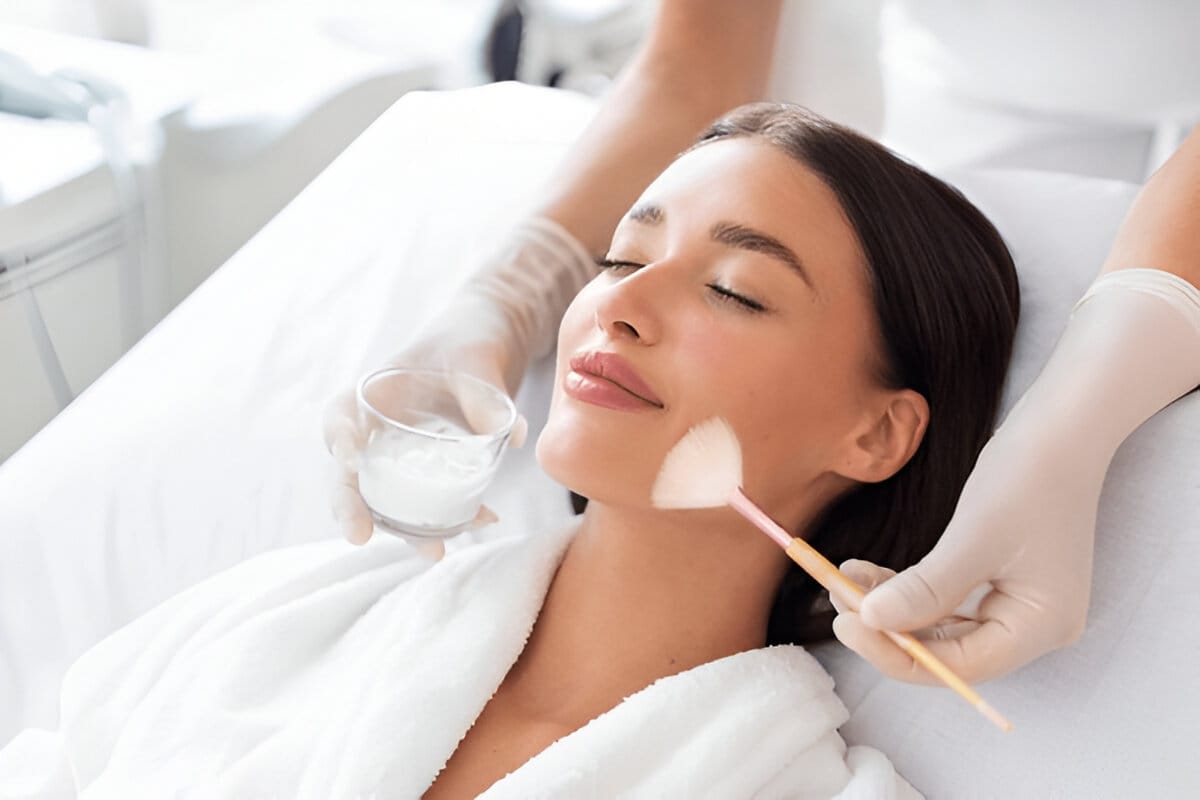
Written by the Elite Med Spa Team | Berwyn, IL
A patient messages us on day four after a peel, worried. Nothing is flaking. They saw videos where sheets of skin came off in one piece and they are now convinced they paid for nothing.
This is one of the most common concerns we hear about chemical peels, and the answer is genuinely reassuring: visible peeling is not the measurement. It is a side effect that correlates with depth, and depth is a clinical decision we make based on your skin and your goal. Sometimes the right peel for you is one that produces no visible shedding at all.
Here is how it actually works.
Peels are categorized by depth, and depth determines everything
Chemical peels fall into categories based on how far into the skin the solution penetrates.
Very superficial and superficial peels work within the epidermis, the outermost layer. They typically use alpha hydroxy acids such as glycolic or lactic acid, or beta hydroxy acids such as salicylic acid. They address surface texture, dullness, mild congestion, mild acne and superficial pigment. Because they act only on the most superficial layer, many produce little or no visible peeling and essentially no downtime.
Medium depth peels reach into the upper dermis, most commonly using trichloroacetic acid at concentrations in the range of ten to thirty five percent. These address moderate wrinkling, more significant pigment and some scarring. Visible shedding is much more likely here, along with several days of redness and recovery.
Deep peels use high concentration TCA or phenol and reach the mid dermis. They produce dramatic exfoliation over one to two weeks and typically require sedation or local anesthesia. These are surgical grade procedures and are not routine med spa treatments.
The point is that a superficial peel not producing flakes is not a failed medium peel. It is a superficial peel doing what a superficial peel does.
The other variables that decide whether you flake
Even within a single depth category, whether you visibly shed depends on several things.
The acid used. Different acids behave differently in the skin regardless of how deep they go.
The number of layers applied. Your provider decides how many coats to apply based on how your skin is responding in real time.
The contact time. How long the solution stays on before neutralization or self neutralization.
Your own cell turnover rate. Some people naturally shed more visibly than others at identical depth, and turnover slows with age.
What you were using beforehand. Someone on a consistent retinoid has a thinner, better conditioned stratum corneum and often flakes less dramatically than someone whose skin has never been prepped.
None of these are quality signals. They are inputs, and an experienced provider adjusts them for the person in the chair.
And frosting is not a grade either
Patients who have read a little sometimes ask why their skin did not turn white during the treatment. That whitening is called frosting, and it is worth understanding because it is widely misinterpreted.
Frosting is the result of protein coagulation in the upper layers of the skin. Certain acids, including TCA, Jessner’s solution and phenol, denature skin proteins on contact and produce that visible white response. TCA at higher concentrations applied in layers can produce consistent even frosting. Jessner’s builds frosting gradually with layering.
Glycolic acid does not frost at all. Providers rely on skin colour change and timing instead. Salicylic acid produces a white coating that is actually precipitated acid crystals on the surface, sometimes called a pseudo frost, which wipes away and does not indicate depth.
So a peel with no frosting may be a glycolic peel behaving exactly as expected. A peel with a white coating may be salicylic crystals rather than any indication of penetration. Neither tells you whether the treatment worked.
One more clinically important point: frosting is harder to see on deeper skin tones, which creates a real risk of over treatment if a provider is using it as their primary depth gauge. That is one of several reasons we work conservatively and build a series on Fitzpatrick IV through VI patients rather than chasing a dramatic single session.
Why we often deliberately choose the peel that does not peel
Our patient population in Berwyn, Cicero and the surrounding suburbs includes a large proportion of people with medium to deep skin tones. That changes the calculus substantially.
Patients with Fitzpatrick type IV through VI skin are at higher risk of post inflammatory hyperpigmentation from peels, and deep peels and even some medium depth peels are generally avoided in this group. Superficial peels, by contrast, can in most cases be used safely across skin types.
So for a patient with deeper skin and a pigment concern, the safest and most effective path is usually a series of superficial peels with proper pre conditioning, spaced roughly four weeks apart, over three to six sessions. That approach produces steady cumulative improvement with a low complication risk.
Reaching for depth to produce impressive flaking in that patient is how you turn a treatable pigment concern into a worse one that takes a year to correct. We would rather deliver a less dramatic experience and a better outcome.
What to do in the days after, especially if nothing is happening
Follow the post peel instructions exactly for at least seven to ten days. This is where results are protected or lost.
Do not pull, pick or help along any flaking that does appear. Pulling skin that is not ready to release is the fastest route to a scar or a pigment mark.
No at home acids, scrubs, exfoliating tools or retinoids until your provider clears you, generally around seven to ten days out.
Sunscreen every day without exception. Freshly treated skin is more photosensitive and unprotected UV exposure is the main cause of post peel pigmentation.
Gentle cleanser, bland moisturizer, nothing new. This is not the week to try a product.
If nothing has changed by around day ten, check in with us. That is useful information, not a failure. It tells us the strength or type should be adjusted at the next session.
When the peel is the wrong tool entirely
If you have had three properly performed sessions and see no meaningful change, the issue is usually not the peel technique. It is that the concern does not live where peels work.
Peels act on the epidermis and, at medium depth, the upper dermis. If your concern is deeper than that, a different modality is required.
Textural concerns such as acne scarring, enlarged pores and etched lines respond to collagen stimulation. SkinPen microneedling creates controlled micro injuries to trigger remodeling, and Morpheus8 RF microneedling adds radiofrequency energy at depth for more substantial tightening and remodeling.
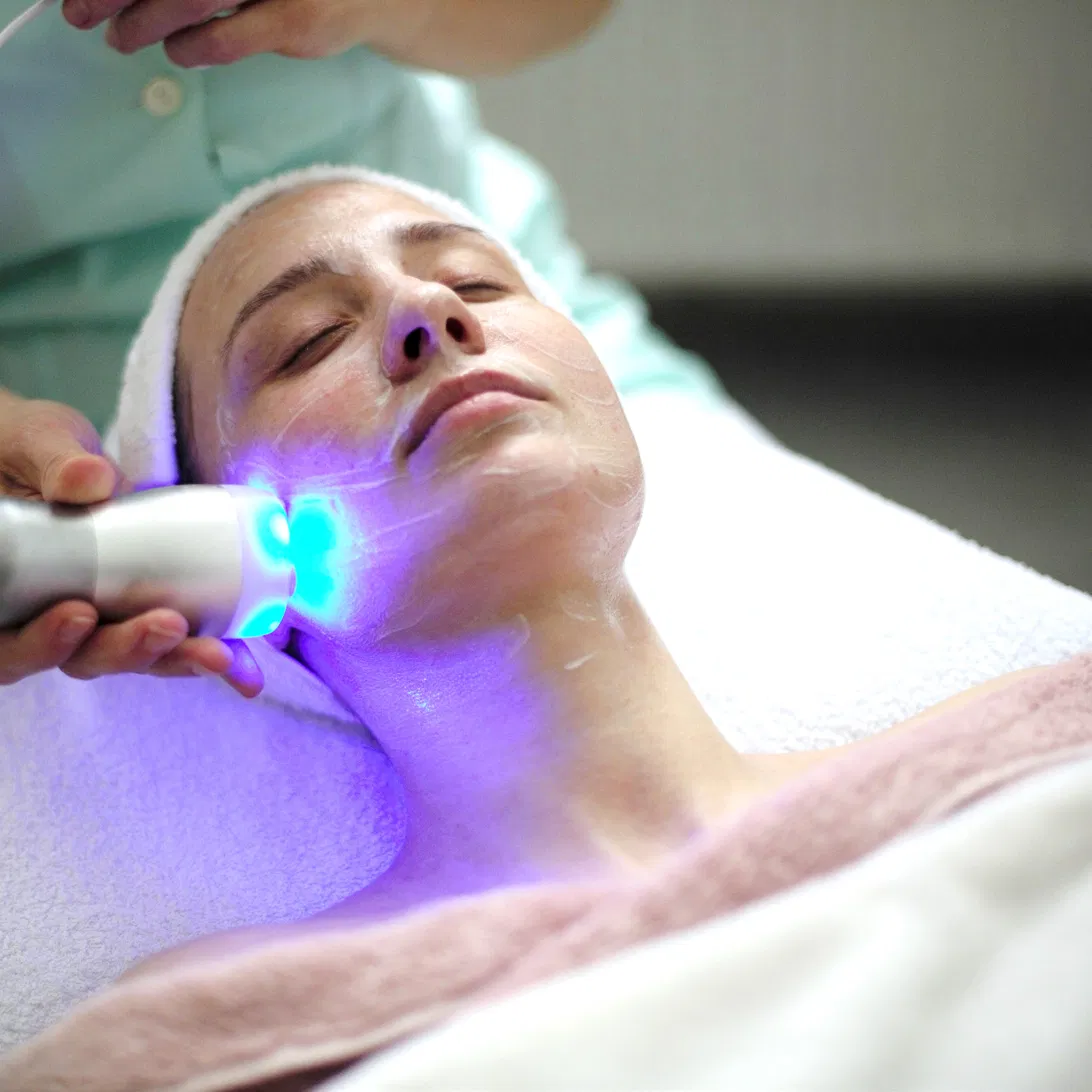
Pigment that is sun induced, along with visible vessels and diffuse redness, often responds better to Lumecca IPL, which targets melanin and oxyhemoglobin directly, than to acid exfoliation.
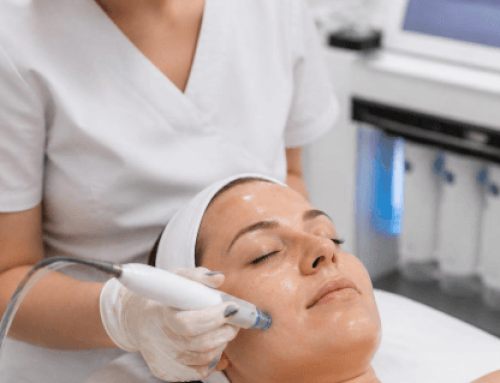
Congestion, dullness and dehydration on skin that cannot tolerate much often does best with a regular HydraFacial MD cadence rather than escalating peel strength.
And sometimes the concern is melasma, which is a genuinely difficult condition where aggressive treatment reliably makes things worse. That requires a long term, conservative, heavily sun protective plan and honest expectations about management rather than cure.
The one sentence version
Peeling is a side effect, not a result. What matters is whether your tone, texture and clarity are better at week four than they were at week zero, and that question is answered by photographs taken in consistent lighting, not by how much skin came off your face on day three. You can see how peels sit alongside everything else we offer on our aesthetics services page and on the Elite Med Spa home page.
Book a Skin Consultation Before You Buy a Peel Package
Elite Med Spa is at 6203 Cermak Road in Berwyn, IL 60402, serving Berwyn, Cicero, Oak Park, Riverside, Brookfield, La Grange, Oak Lawn and the surrounding suburbs. New clients get a free consultation.
Call 855-293-1033 or reach us through our contact page. We are open Monday through Friday from 9 AM to 4 PM and Saturday from 9 AM to 2 PM.
We will look at your skin, ask what you are actually trying to change, and tell you which depth and which acid make sense for your skin type. Sometimes that is a peel series. Sometimes it is something else entirely, and we would rather tell you that at the start.

Leave A Comment