
Written by the Elite Med Spa Team | Berwyn, IL
Oak Lawn is a village of roughly 56,000 people built around one of the busiest hospitals in Illinois. Advocate Christ Medical Center is a 788 bed teaching hospital with a Level I trauma center that handles more than 105,000 emergency visits a year. Every year more than 400 residents, 600 medical students and 800 nursing students rotate through it. Add the surrounding clinics, imaging centers and practices along the 95th Street corridor and you get a village where an enormous share of the working population is on a schedule that does not look like anyone else’s.
We see those patients constantly. And the questions they ask are different from the ones we get from anyone else. Not “what will this do,” but “when can I possibly do this, and what happens if I have to be back on the floor in ten hours.”
This post is written for them.
What rotating shifts actually do to skin
Shift work is not a lifestyle inconvenience. It is a physiological state, and it shows up on the face in fairly predictable ways.
Sleep disruption interferes with the overnight repair window when the skin does most of its barrier restoration. Chronically short or fragmented sleep is associated with slower barrier recovery and a duller, more uneven surface.
Hospital environments are dry. Forced air, hand hygiene protocols and long stretches without drinking water leave the skin barrier compromised, which is why so many clinical staff describe skin that is simultaneously oily and tight.
PPE creates friction and occlusion. Mask lines across the cheeks and bridge of the nose, along with occlusion acne along the jaw, are common in anyone masking for a full shift.
Cortisol and clenching. Long high acuity shifts produce jaw clenching and sustained frowning that etch lines faster than age alone would, particularly across the glabella.
None of this is fixed by a single appointment. What it responds to is a plan that fits the schedule instead of fighting it.
The zero downtime tier: what you can do the day before a shift
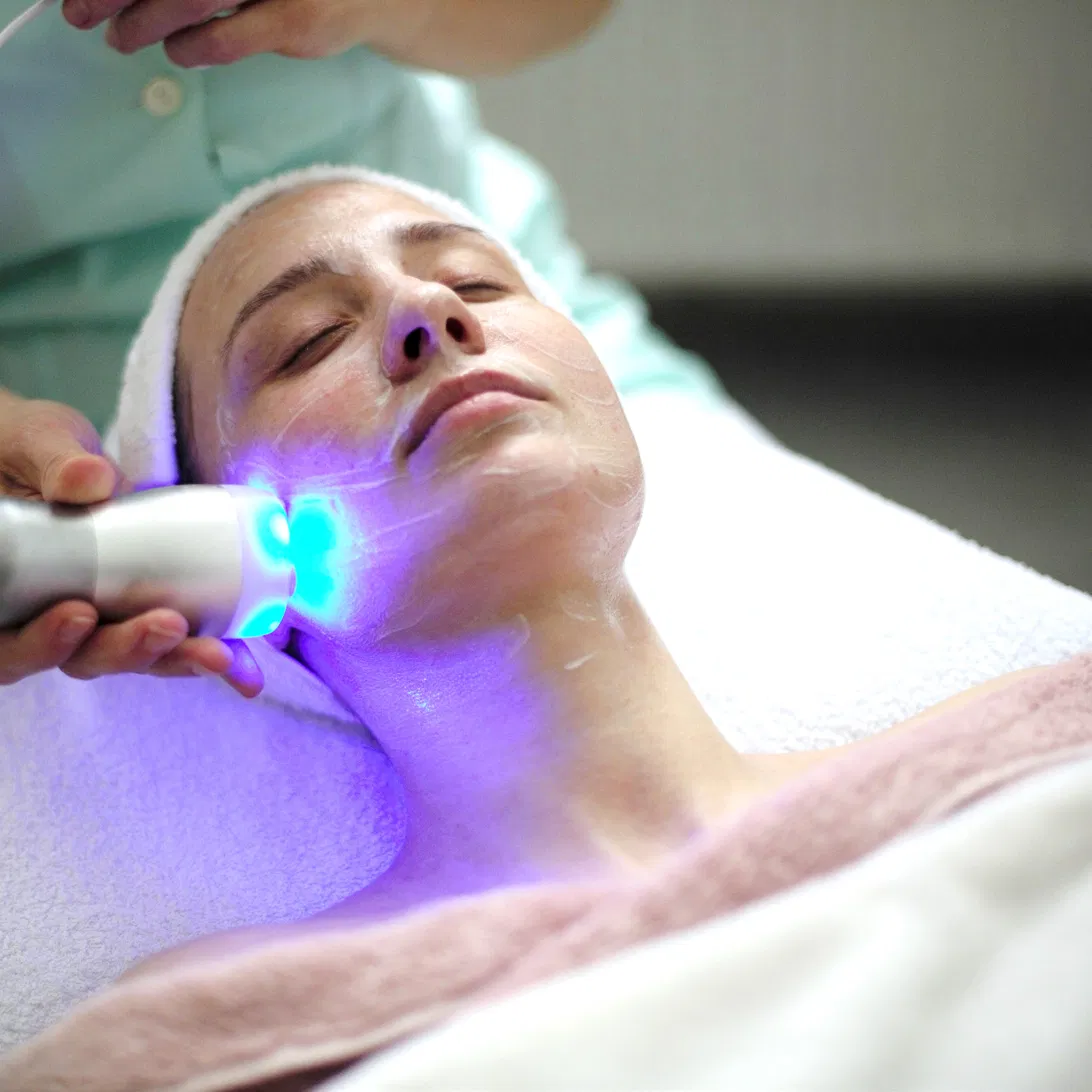
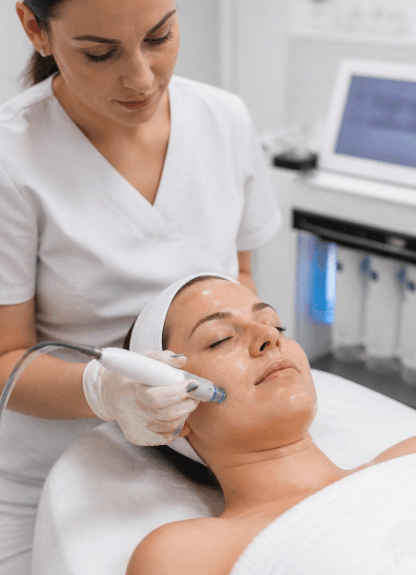
HydraFacial MD is the most useful single treatment we offer to hospital staff, and the reason is boring but real: it does not produce a visible recovery. It cleanses, applies a mild glycolic and salicylic exfoliation, clears pores using vortex suction rather than manual extraction, and then infuses serums with antioxidants, peptides and hyaluronic acid. A signature treatment runs about 30 minutes.
For a barrier that has been stripped by a hospital HVAC system, the hydration step is doing more work than the exfoliation step. Most patients get five to seven days of noticeably better texture, and a monthly cadence is where the durable change happens.
The other real advantage is that we can dial it down. The suction strength and the serum aggressiveness are both adjustable, so if you are already irritated from masking, we can run a gentler version rather than cancel.
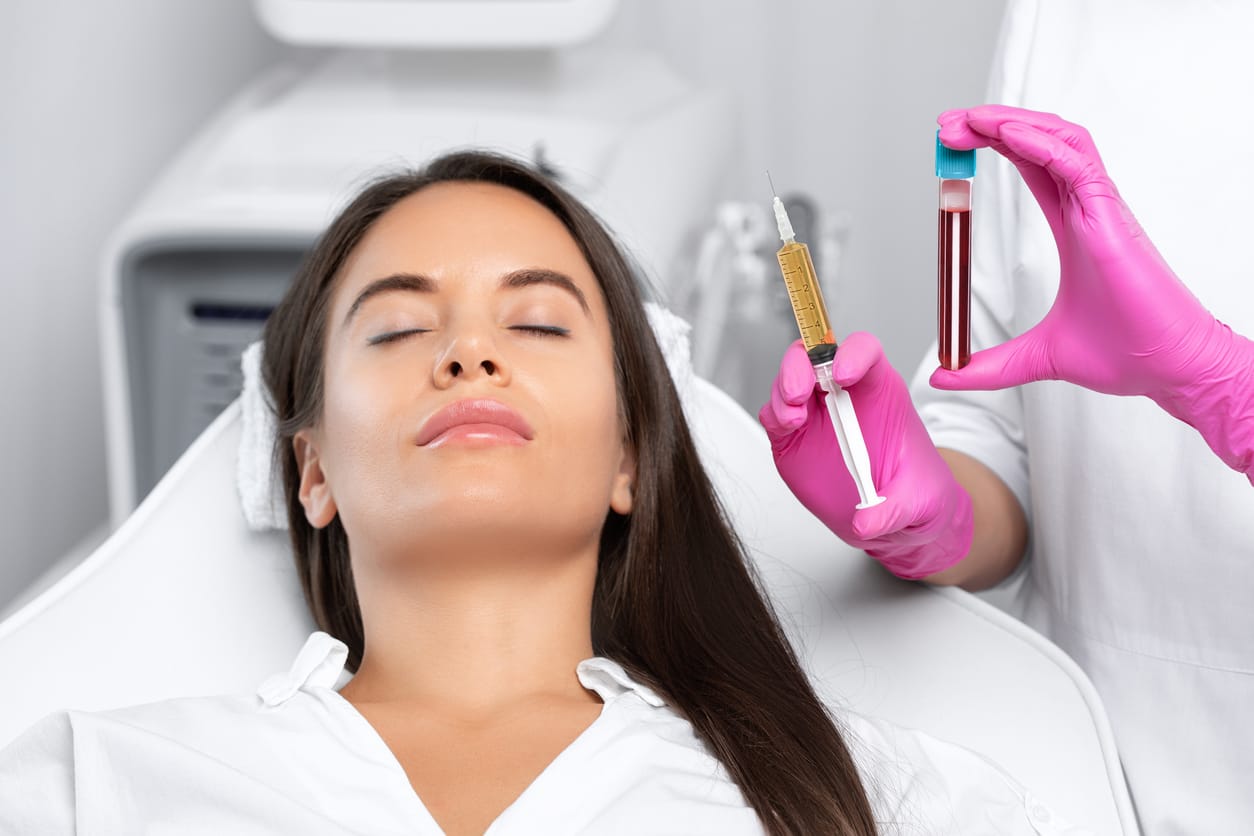
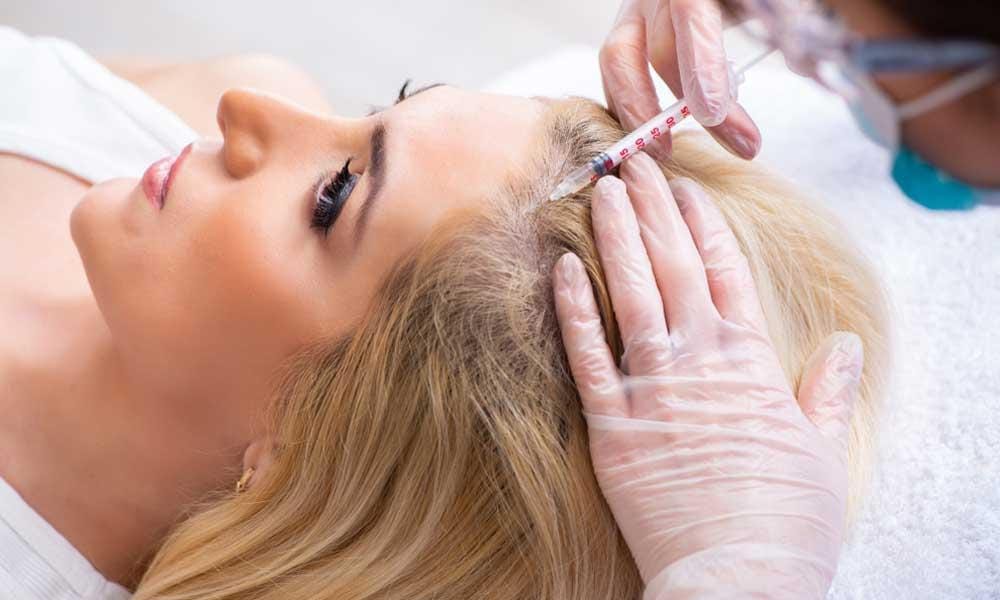
Botox also fits, with one scheduling caveat that matters specifically for night shift, which we will get to below.
The night shift Botox problem
Standard Botox aftercare asks you to stay upright for roughly four hours and to avoid strenuous exercise for 24 to 48 hours. For a day shift worker that is trivial. For someone coming off nights, it is a direct conflict, because the natural instinct is to leave a 7 AM checkout, drive to an appointment, and then go home and sleep.
So we schedule it the other way around. If you work nights, book Botox for after you wake up, not after you clock out. Sleep first, treat second, stay upright through the evening, then go into your next shift. It is a small adjustment and it removes the only real conflict between neuromodulators and a nocturnal schedule.
Worth knowing as well: people with high physical activity levels and faster metabolic rates often report shorter duration from the same dose. If you are working twelve hour shifts on your feet and training on your days off, do not be surprised if your result reads shorter than the three to four month average. That is a dosing conversation, not a product failure, and we cover it in more depth in our post on why Botox wears off early.
The tier that needs your days off
Some treatments have a visible phase. In a hospital that is not a small thing, because you are in front of patients and families all day.
Chemical peels shed on a timeline that depends on depth. Superficial peels often produce nothing visible. Medium depth peels typically start flaking between day two and day five. If you have a four day stretch off, a peel on day one of that stretch is well placed. If you have a single day off between blocks, it is not.
Lumecca IPL is the one to plan hardest around. Pigmented spots typically darken for 24 to 48 hours after treatment and then flake away over the following week. That is the mechanism working correctly, and it is also unmistakably visible. IPL also requires that you have not been in the sun or used self tanner for about four weeks before treatment, which for most people means the cooler months.
Morpheus8 RF microneedling is a genuine downtime treatment. Expect redness and a sandpaper texture for a few days. This belongs in a vacation block or a stretch of PTO, not in a two day turnaround.
A sample plan for a three on, four off rotation
Here is roughly how we would build a year for someone working a standard twelve hour rotation at a hospital in Oak Lawn.
Every four to six weeks, on any day: one HydraFacial. This is the maintenance engine and it never needs a day off.
Every three to four months, on a wake up day: Botox. Book it for two weeks before anything you care about, not two days.
November through March, on a four day block: a series of peels or a Lumecca series, whichever matches the concern. Pigment and redness respond to IPL. Texture, congestion and superficial tone respond to peels.
Once a year, during PTO: if you want structural change rather than surface change, that is when resurfacing belongs.
The reason we sequence it this way is simple. The treatments with no recovery should be frequent and the treatments with recovery should be rare and well placed. Most people do the opposite, get frustrated by an inconvenient flaking week, and quit.
The drive from Oak Lawn
We are at 6203 Cermak Road in Berwyn. From the Advocate Christ campus at 95th and Cicero, most patients come north on Cicero Avenue or Harlem Avenue, which typically runs 20 to 30 minutes depending on time of day. Coming off a night shift, the drive is usually at its easiest.
Our Med Spa Oak Lawn page has more on what we offer patients in your area, and you can see the whole service list from the Elite Med Spa home page.
Tell Us Your Rotation and We Will Build Around It
Elite Med Spa is at 6203 Cermak Road in Berwyn, IL 60402. New clients get a free consultation, and we will tell you honestly if the treatment you asked about is not the right one for what you want to change.
Call 855-293-1033, book online, or send us a message through our contact page. Our hours are Monday through Friday from 9 AM to 4 PM and Saturday from 9 AM to 2 PM.
When you book, tell us your shift pattern. It changes what we recommend. A four day block off gets a completely different plan than a single day between shifts, and we would rather adjust the plan than hand you a treatment that does not fit your life.



Leave A Comment